
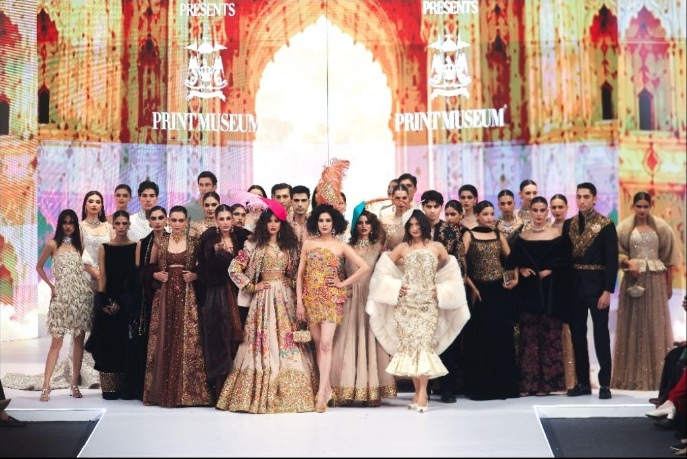
From extraordinary construction techniques to theatrical storytelling and a radical reinterpretation of heritage, Fahad Hussayn’s latest presentation for Print Museum is challenging the conventions of Pakistani luxury fashion.
At a time when the word couture is used rather generously across the fashion industry, Fahad Hussayn’s Print Museum has entered the conversation with something considerably more ambitious.
Presented at Lahore Fashion Week, AN ATLAS OF EMPIRES was not simply another collection of extravagant clothes. It was a demonstration of what happens when technical innovation, cultural research, industrial precision and uncompromising creative direction come together.
Spanning Alta Moda, Signature Weddings and contemporary festive evening wear, the collection challenged established ideas about how luxury fashion should be constructed, presented and experienced.
Here are five reasons this presentation deserves a conversation of its own.
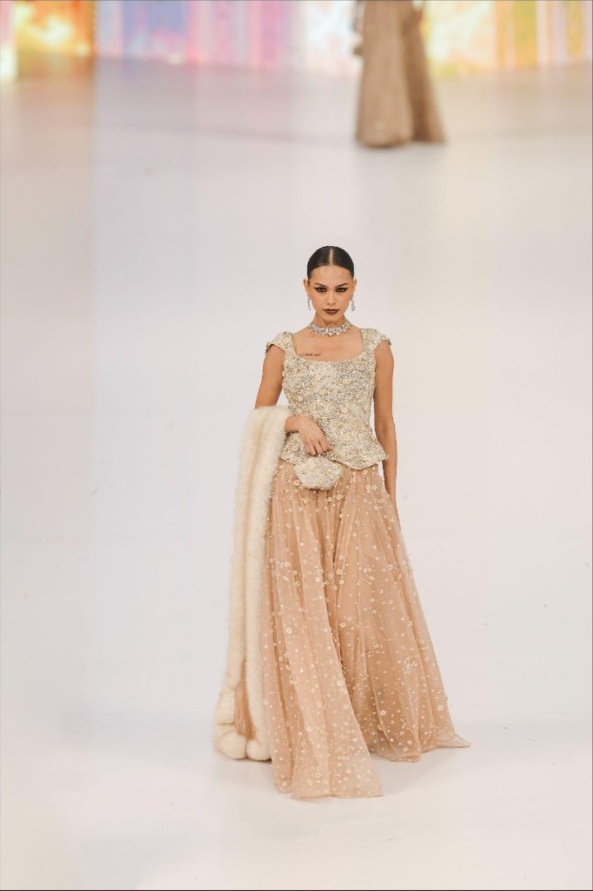
- CONSTRUCTION THAT EARNS THE TITLE OF COUTURE
Perhaps the most significant achievement of AN ATLAS OF EMPIRES lies beneath its extraordinary surfaces.
With its Alta Moda range, QUTLUGH, Print Museum explored an increasingly sophisticated relationship between traditional couture craftsmanship and industrialised precision.
Sculptural corsetry, complex internal structures, seamless draping, engineered silhouettes and painstakingly developed custom surfaces demonstrated an exceptional level of technical ambition.
Rather than relying exclusively on the familiar vocabulary of elaborate embroidery to communicate luxury, the collection placed equal importance on the architecture of the garment itself.
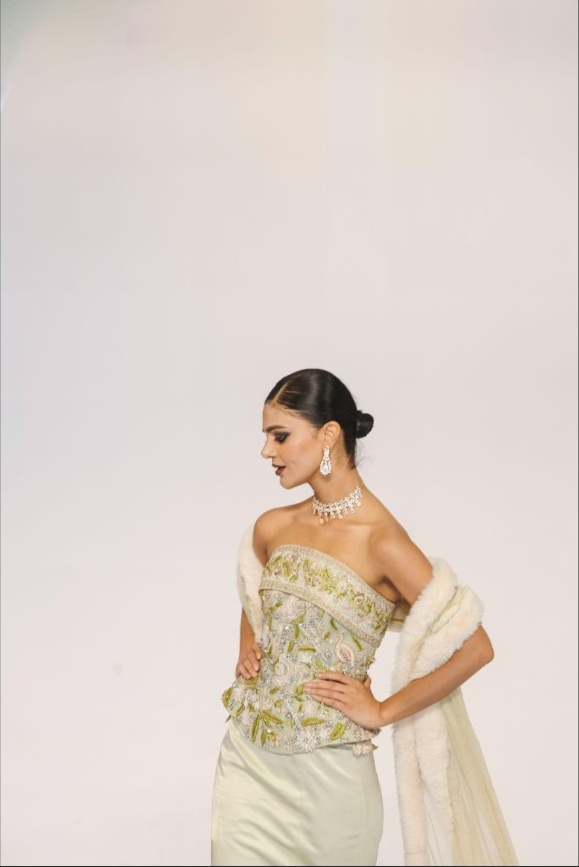
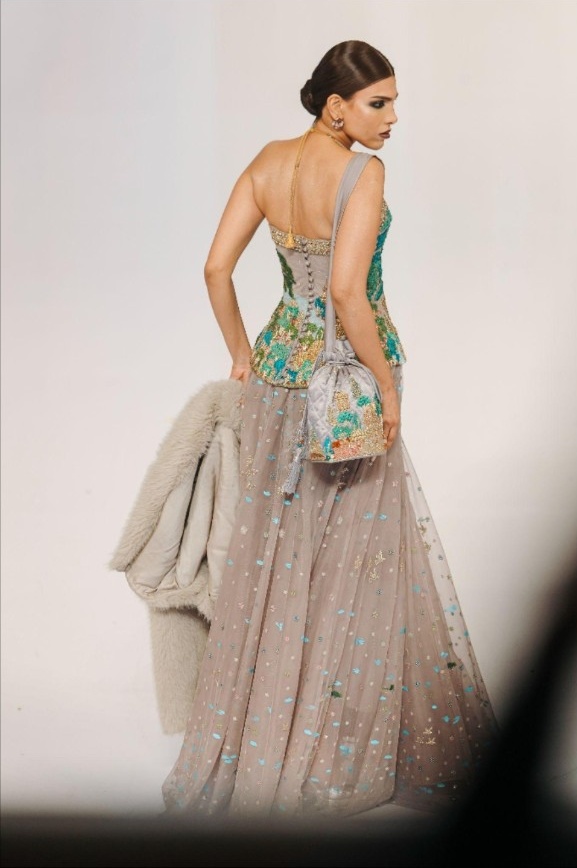
Every curve, proportion and structural intervention became part of the design conversation.
What makes this particularly interesting is Hussayn’s refusal to confine the work to conventional definitions. By combining advanced atelier techniques with industrial processes, Print Museum is developing a language of luxury that occupies a fascinating territory between couture and contemporary manufacturing.
The result is clothing that doesn’t merely look expensive. Its construction explains why it is.
- A FASHION SHOW THAT BECAME A COMPLETE THEATRICAL PRODUCTION
If the clothes demonstrated the technical evolution of Print Museum, the presentation revealed the extraordinary creative capabilities of the Fahad Hussayn Academy of Couture & Art Forms.
AN ATLAS OF EMPIRES was conceived as an immersive production in which fashion, music, visual storytelling, performance and narrative existed as parts of one larger creative vision.
Rather than treating the runway as a conventional procession of garments, Hussayn approached the presentation with the sensibility of a filmmaker and show director.
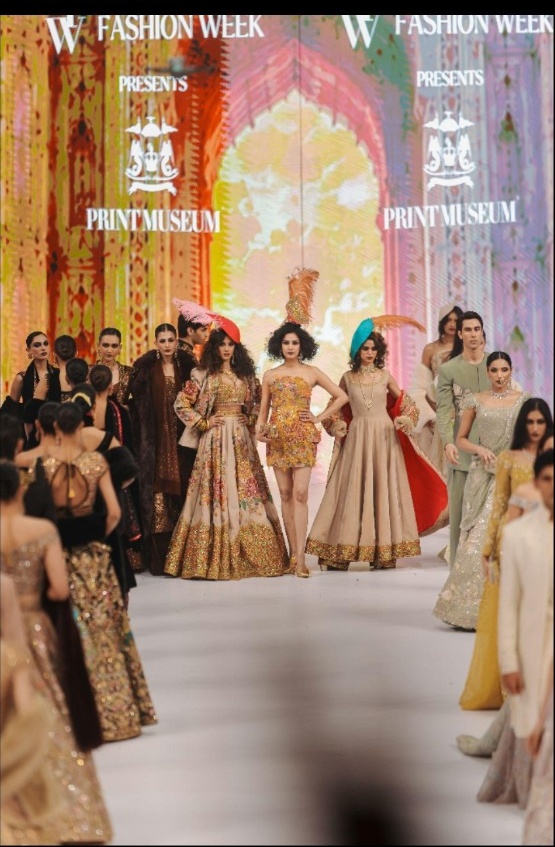
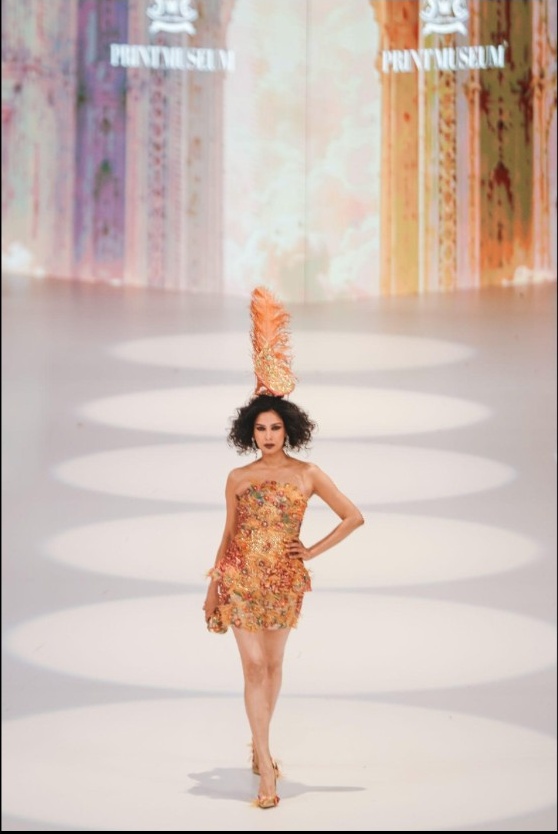
The soundtrack, visual language, dramatic progression and styling were developed to serve the same narrative, transforming the showcase into a theatrical experience.
The Fahad Hussayn Academy’s multidisciplinary approach was particularly evident. Its ability to bring fashion design, creative direction, styling and production under one unified vision places it in a category that few fashion institutions in the country currently occupy.
This was more than runway direction. It was world-building.
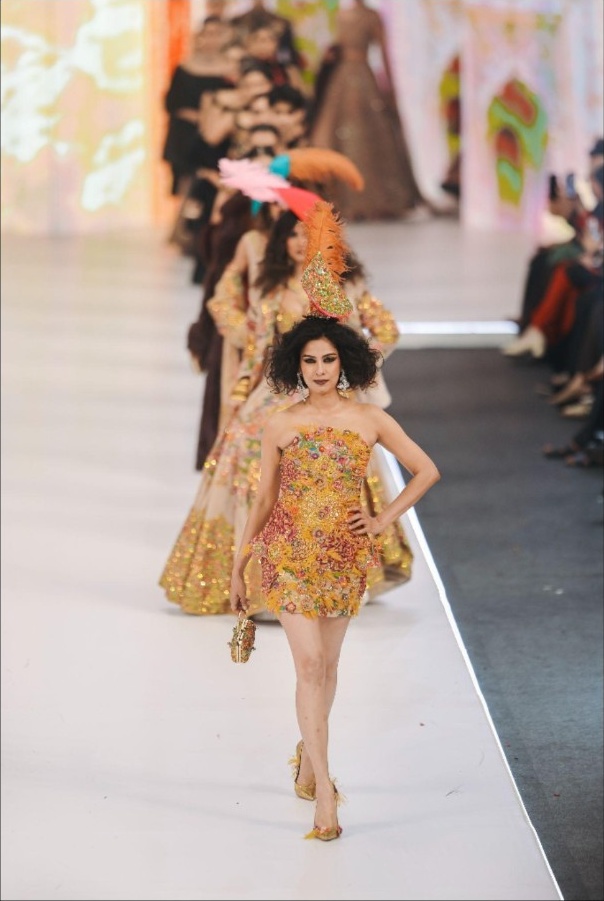
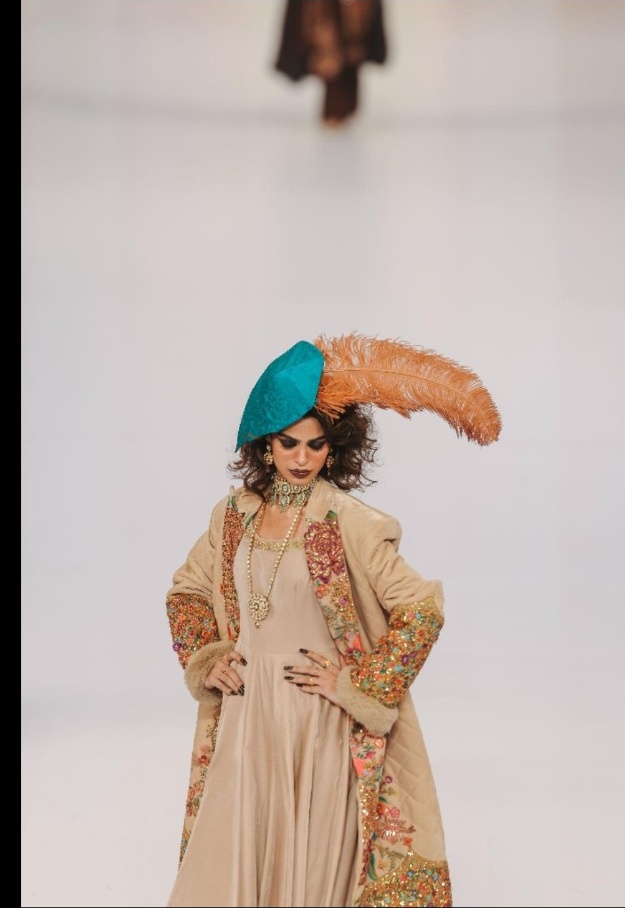
And in terms of creative ambition, the production made a compelling case for the Academy as one of the most formidable multidisciplinary creative forces working in Pakistani fashion today.
- FASHION MOMENTS WITH AN ACTUAL WINTER WARDROBE BEHIND THEM
One of the industry’s recurring challenges is balancing runway spectacle with commercial relevance.
AN ATLAS OF EMPIRES demonstrated that the two need not be mutually exclusive.
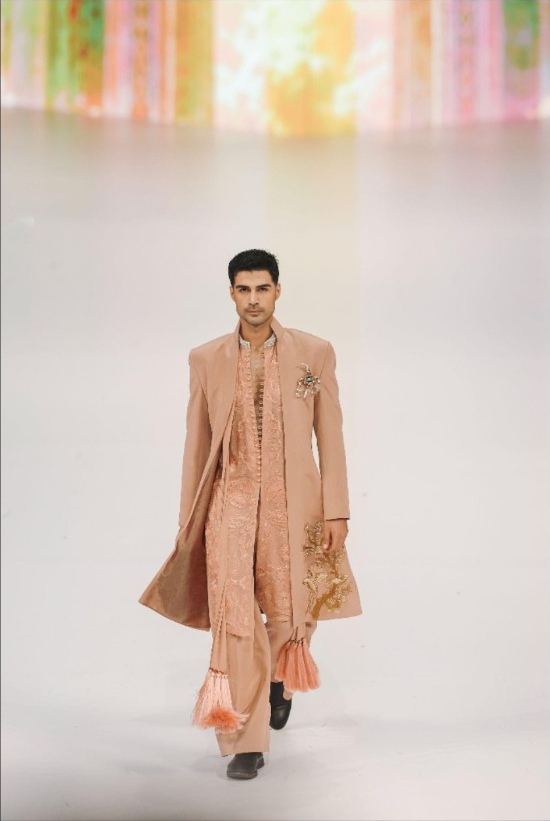
While QUTLUGH delivered experimental silhouettes and high-impact fashion moments, the presentation also offered a comprehensive wardrobe for the winter festivities.
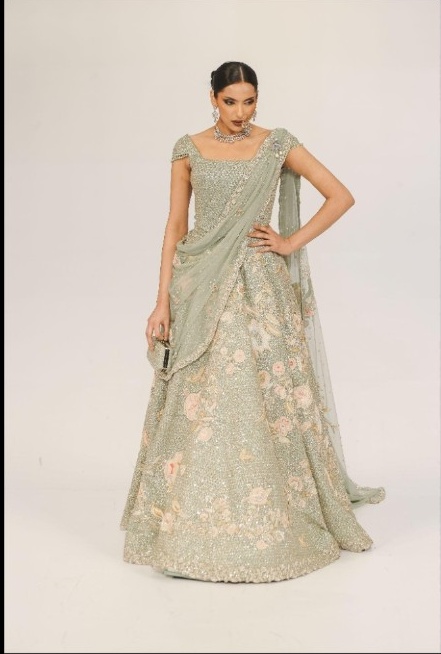
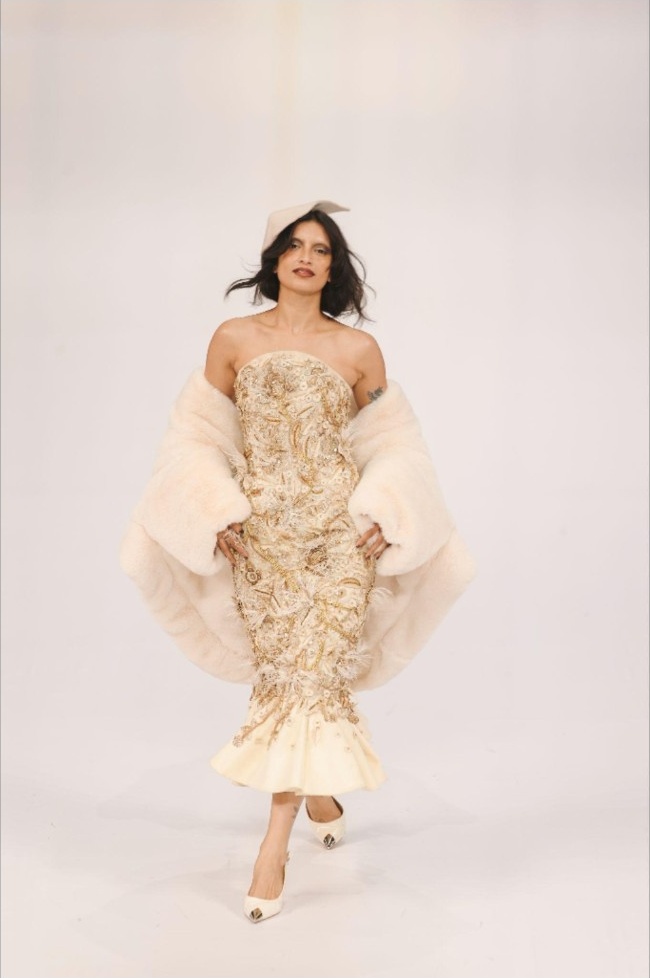
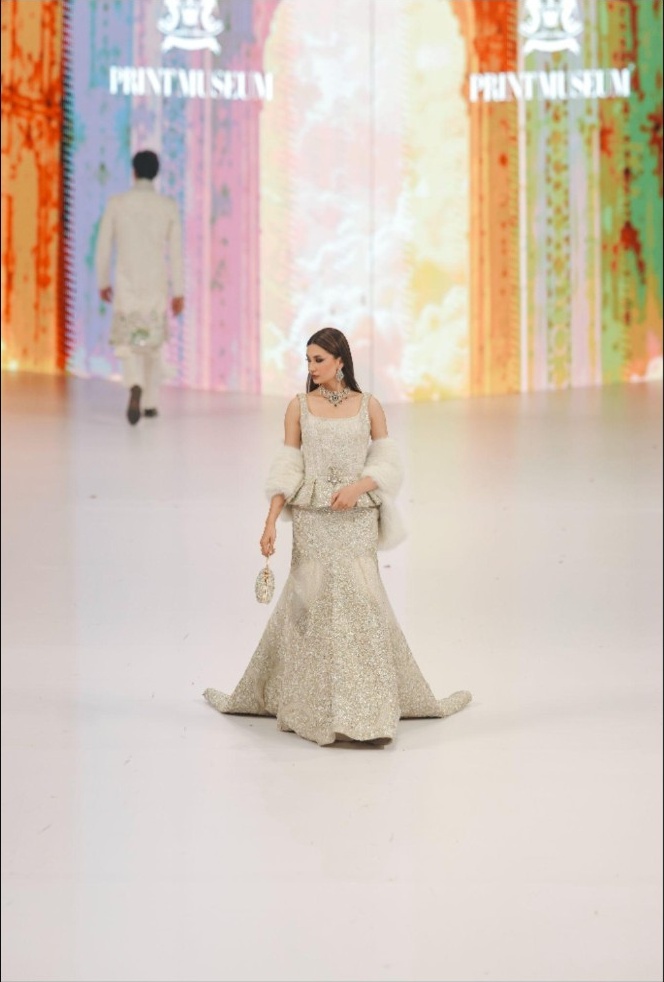
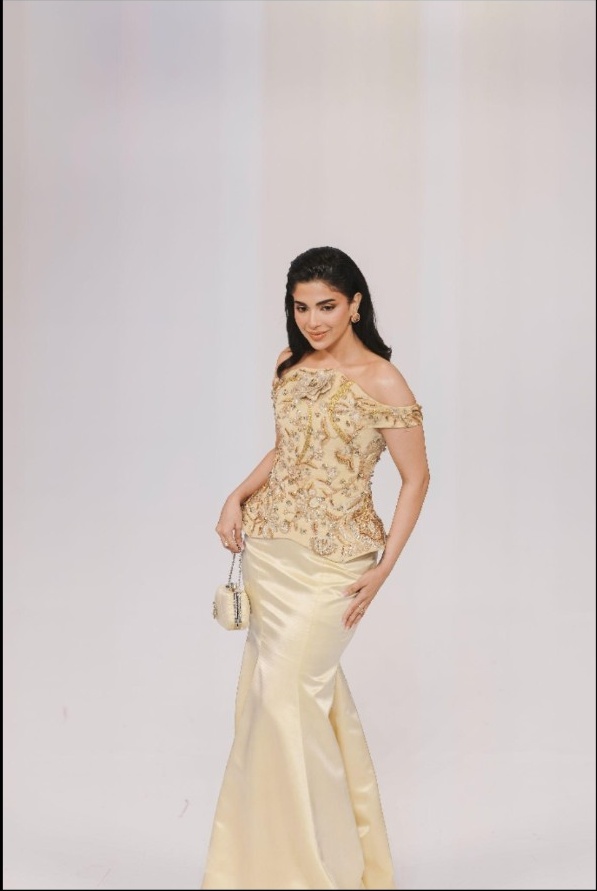
KHANZADA brought the grandeur of Signature Weddings,
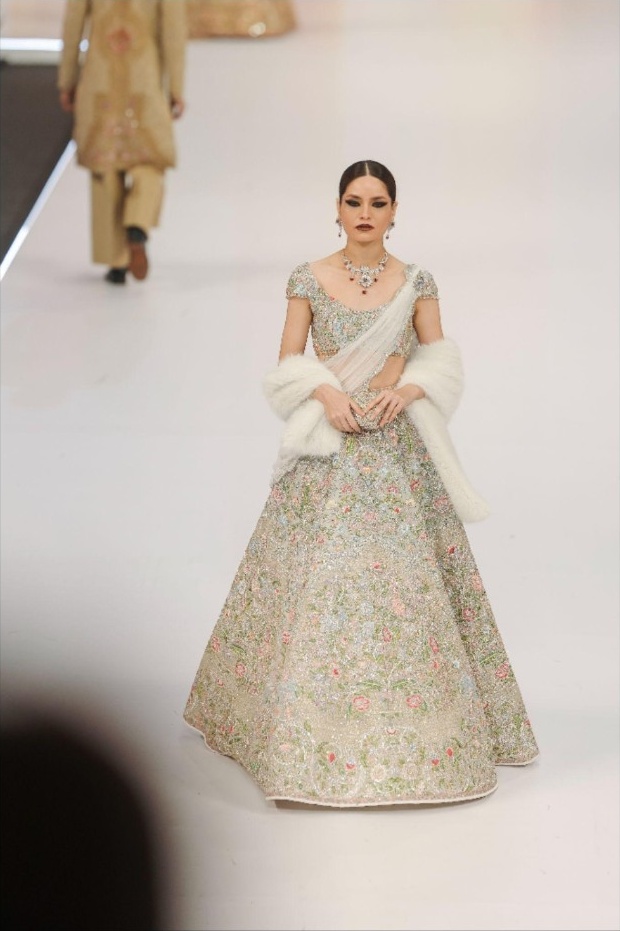
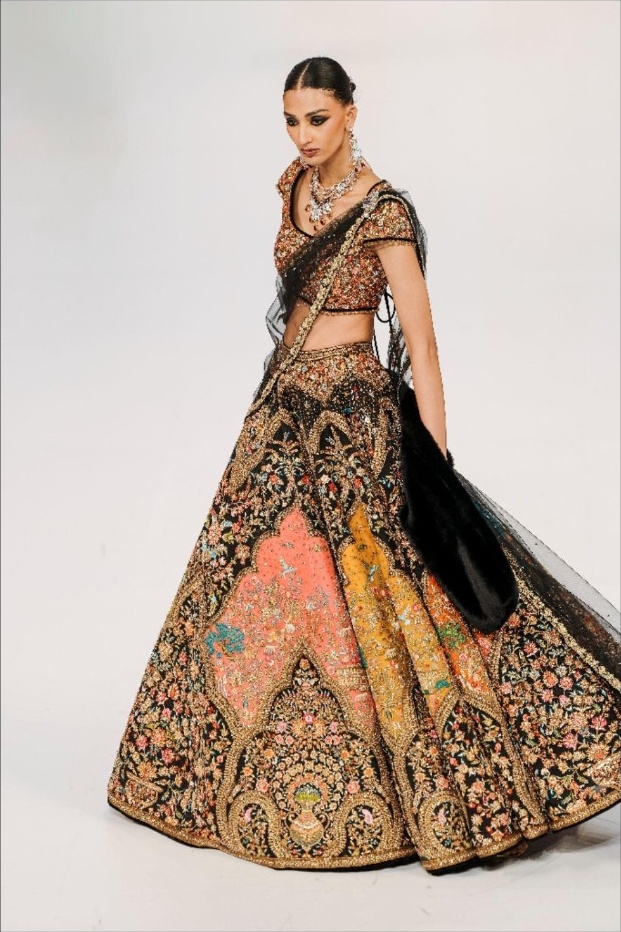
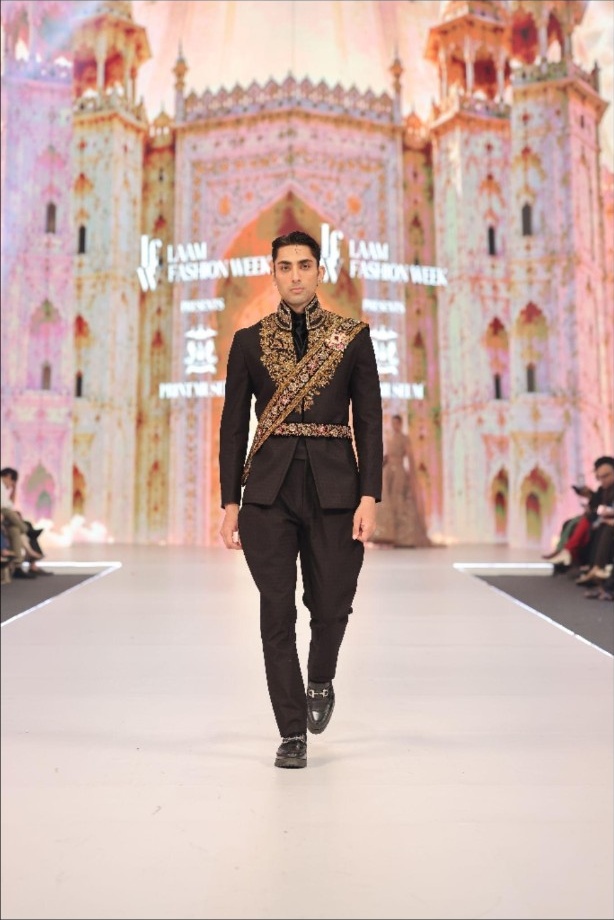
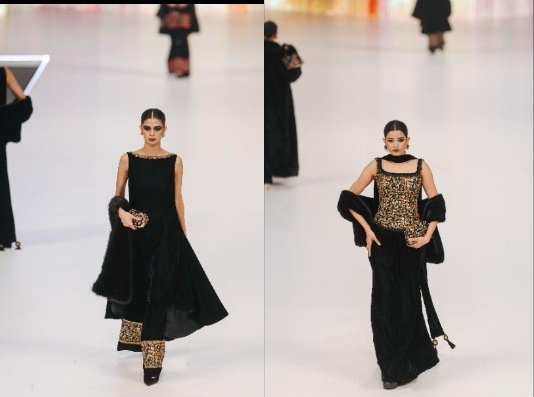
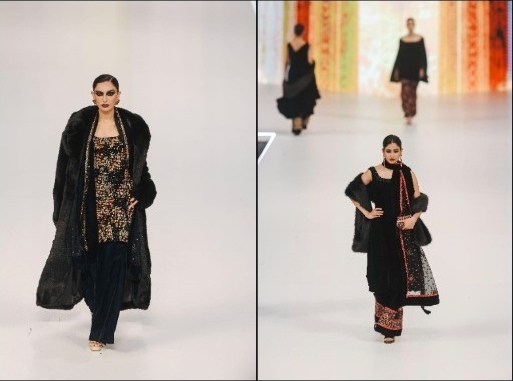
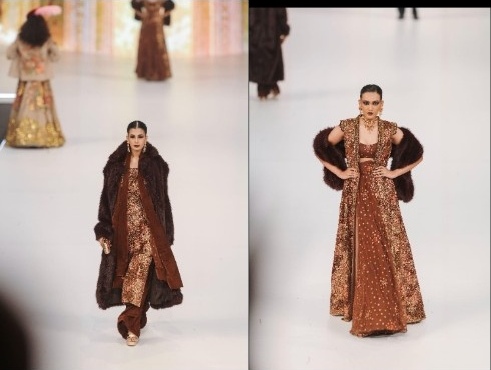
Together, the ranges addressed different occasions, clients and expressions of luxury without compromising the larger visual identity of the collection.
This was not a runway built around a handful of statement pieces with little relevance beyond photography.
It was a complete seasonal offering, moving confidently between experimental fashion, bridal grandeur and wearable festive luxury.
Print Museum managed to deliver the spectacle fashion audiences want and the wardrobe luxury consumers actually need.
- BRIDAL COUTURE HAS A NEW STANDARD TO MEET
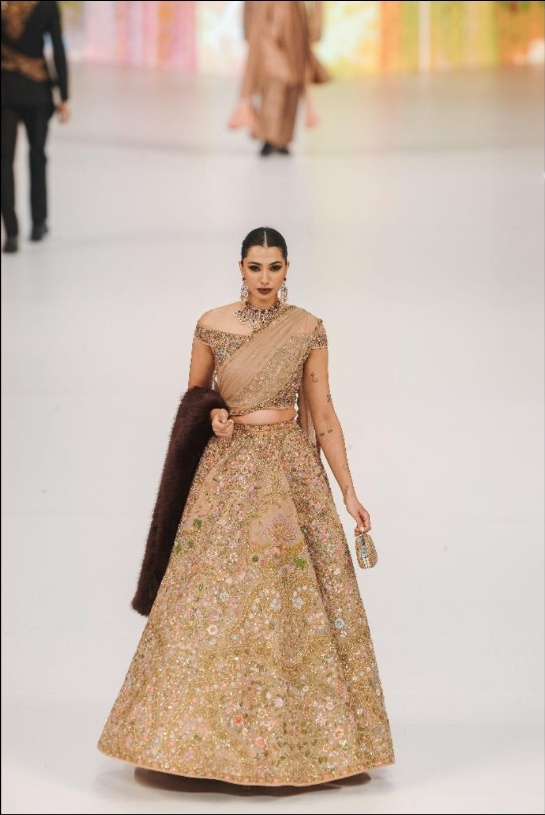
With KHANZADA, Hussayn challenged some of the most deeply established conventions of South Asian bridal dressing.
The familiar language of traditional bridalwear was reconsidered through sculptural corsetry, engineered proportions, pre-draped elements and detachable, styled attachments.
Instead of depending on elaborate manual draping and conventional construction alone, the collection introduced a more architectural approach to dressing the contemporary bride.
The garments were designed to retain the richness and ceremonial grandeur associated with South Asian weddings while introducing greater control over silhouette, structure and styling.
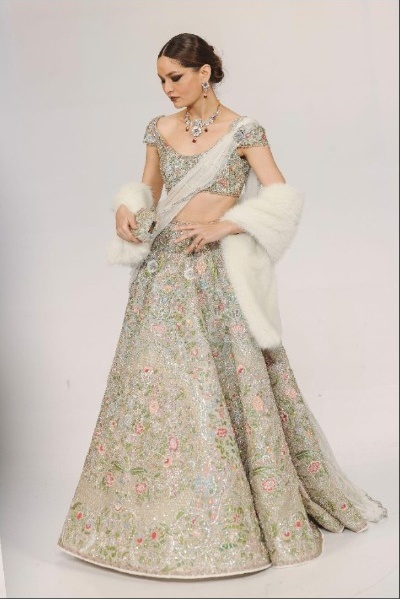
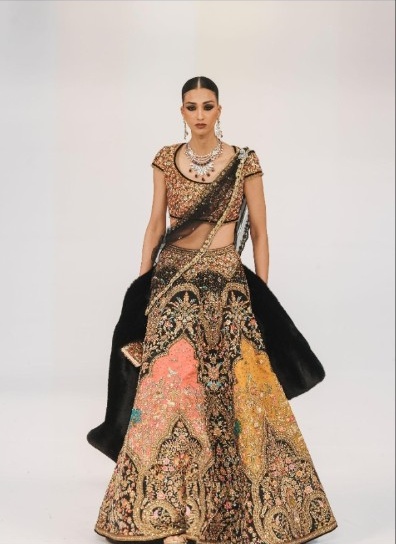
This is an important shift.
For decades, bridal luxury has been measured predominantly through the weight of embellishment, the intricacy of handwork and the extravagance of textiles.
KHANZADA proposes that innovation in construction deserves an equally important place in that equation.
Corsets are no longer merely supporting garments. Drapes are no longer simply fabric arranged around the body. Each becomes an engineered design component.
The message to the bridalwear industry is unmistakable: craftsmanship alone is no longer enough. Construction, innovation and contemporary design intelligence must now be part of the standard.
- A GENIUS REINTERPRETATION OF HERITAGE WITHOUT THE USUAL NOSTALGIA
The intellectual foundation of AN ATLAS OF EMPIRES may well be its most compelling achievement.
Instead of approaching heritage as a fixed visual identity belonging to one region, dynasty or historical period, Hussayn examined the movement of culture across geographical boundaries.
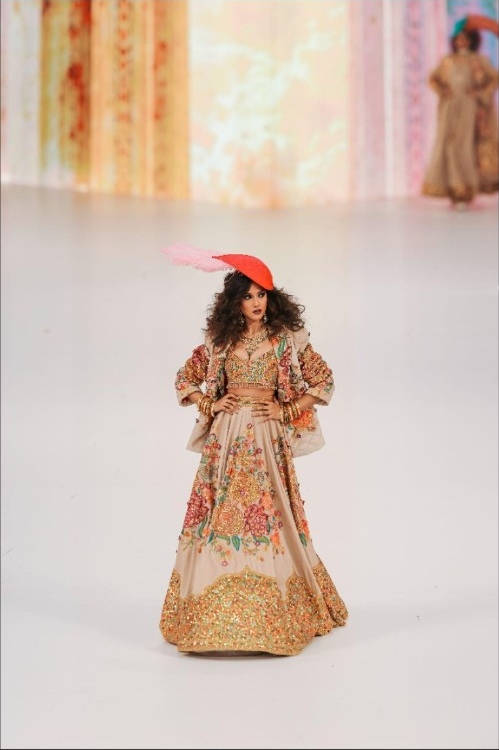
The collection explored how the visual traditions of Central Asia, Persia, Afghanistan and the Indian subcontinent evolved through centuries of migration, trade, political alliances, patronage and cultural exchange.
What we recognise today as regional heritage is often the product of countless influences travelling across territories and generations.
Mughal architectural ornament, ancestral geometry, botanical imagery, marble carvings, murals and decorative traditions became starting points for a radically contemporary design vocabulary.
Architectural elements were dismantled and reconstructed into garments. Historic proportions were exaggerated. Decorative motifs moved away from their original surfaces and found new expression through sculptural silhouettes, textiles and embellishment.
The collection did not attempt to reproduce the past.
It questioned how that past came into existence in the first place.
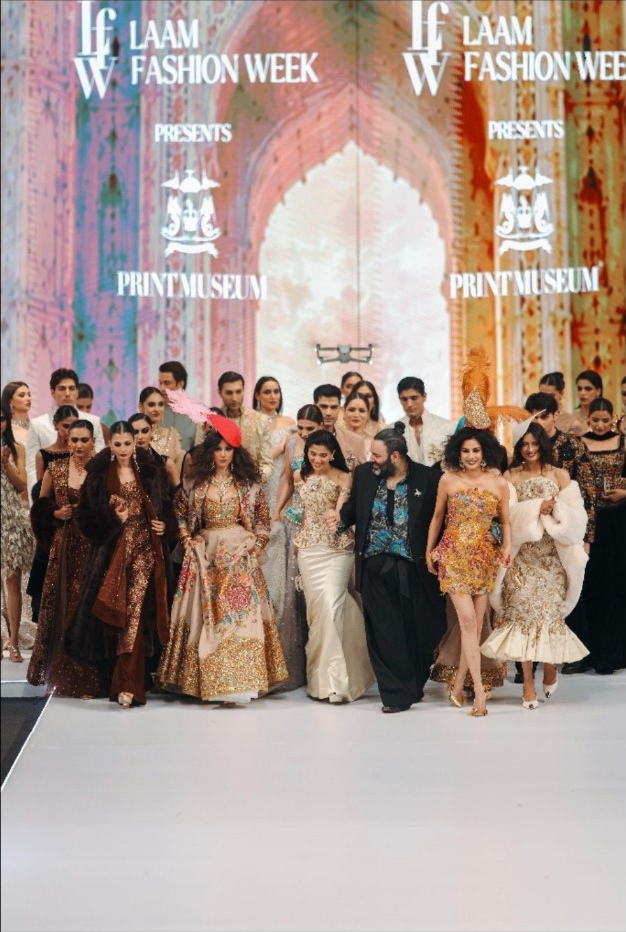
AN ATLAS OF EMPIRES suggests that heritage is not defined by where an influence originated, but by everything it encountered along the way.
It is an unusually intelligent proposition for a fashion collection, particularly in an industry where cultural references are so often reduced to decorative nostalgia.
THE VERDICT: PRINT MUSEUM IS NOT INTERESTED IN FOLLOWING THE RULES
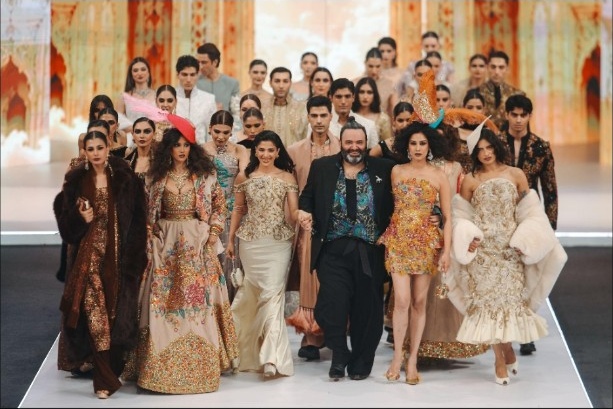 What distinguishes AN ATLAS OF EMPIRES is not any one garment, silhouette or runway moment. It is the scale of the thinking behind the entire presentation.
Fahad Hussayn has brought together technical experimentation, industrial innovation, bridal reinvention, commercially relevant luxury and theatrical direction under one cohesive creative philosophy.
More importantly, he has demonstrated how a fashion house and its creative academy can operate beyond the conventional boundaries of design, building complete experiences rather than isolated collections.
In an industry often preoccupied with repeating familiar formulas of luxury, Print Museum has chosen to question the formula itself.
AN ATLAS OF EMPIRES does not simply ask what the future of Pakistani couture should look like. It challenges the industry to reconsider what deserves to be called couture in the first place.