
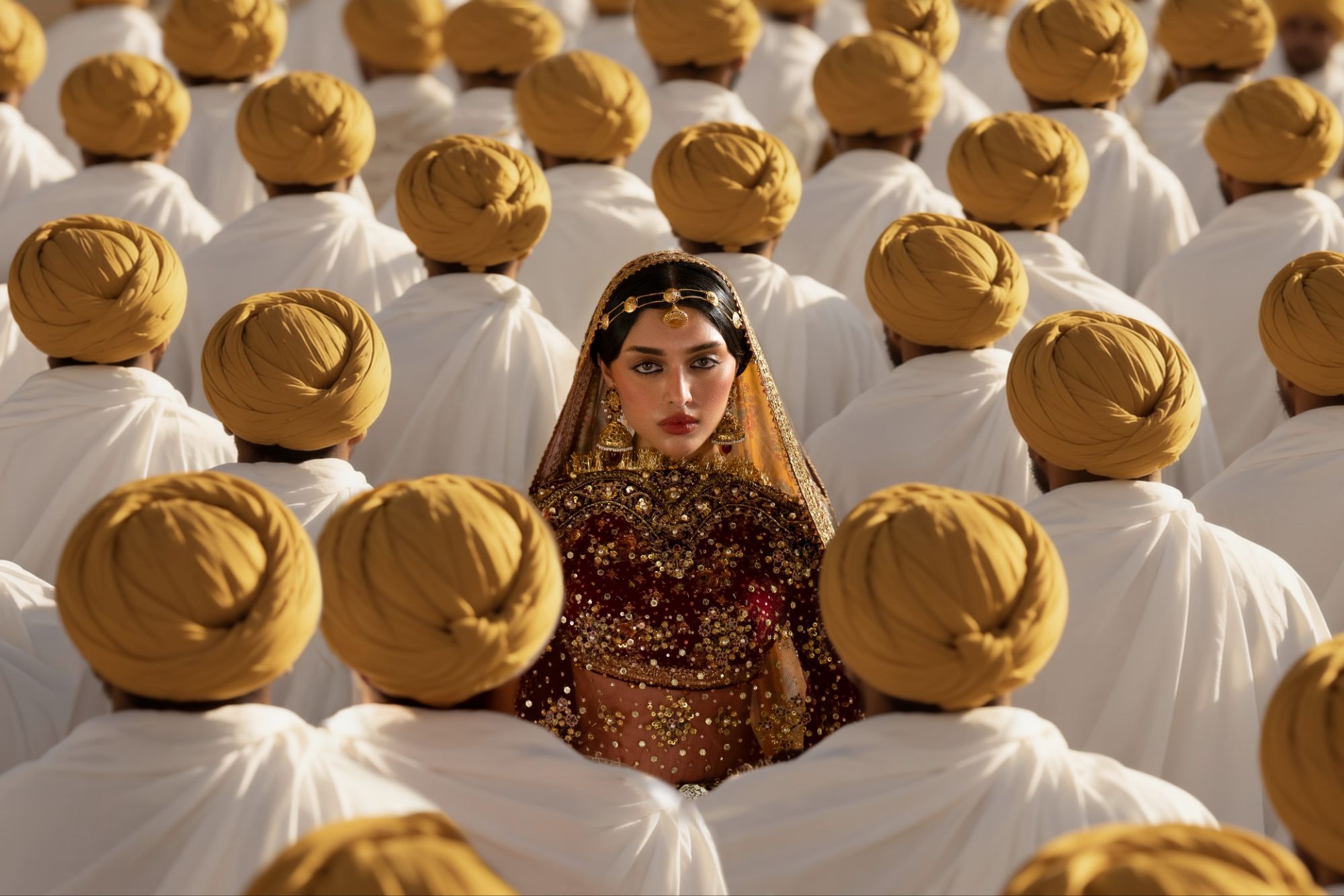
Inheritance is often imagined as something that changes hands.
A ring slipped from one finger onto another. A dupatta folded carefully into a cupboard. A garment kept long after the woman who wore it has gone. These are the objects through which we often make inheritance visible, things that can be preserved, worn and eventually passed on.
In its latest campaign, KAUR asks us to look beyond them. Rather than treating inheritance as something contained within jewellery or clothing, the campaign opens up a more intimate question. What do women inherit from the women who came before them when there is nothing tangible to hold?
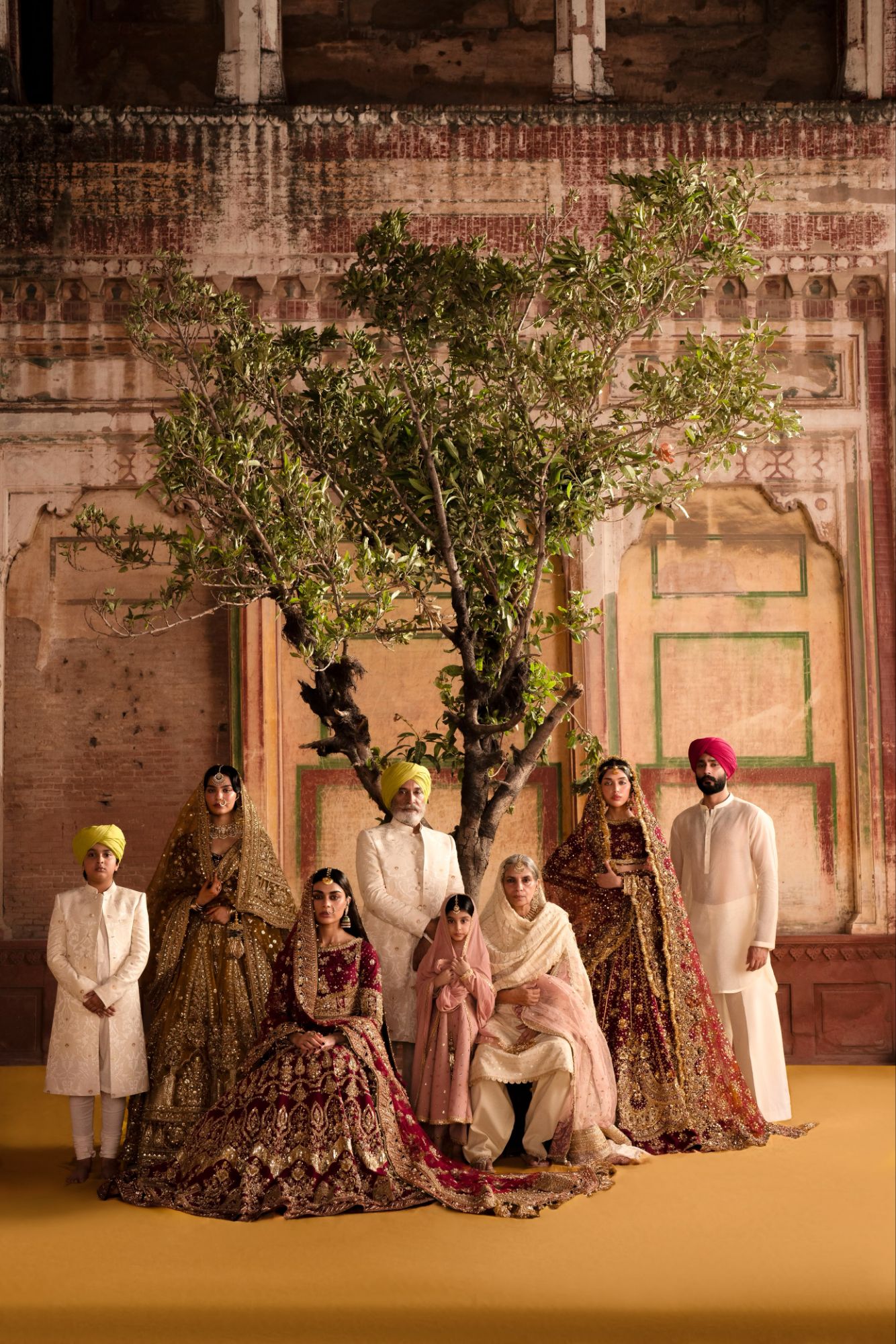
Perhaps it is a gesture. A ritual repeated so often that no one remembers who began it. A recipe made by instinct rather than measurement. A phrase heard throughout childhood that unexpectedly reappears in your own vocabulary years later. Perhaps it is the way a mother welcomes people into her home, the way a grandmother responds to difficulty or the way generations of women have learned to celebrate, grieve, care and endure.
KAUR’s campaign places fashion within this larger landscape of memory. The clothes matter, but they are not asked to carry the entire story. Instead, they become one expression of a much broader inheritance, one that lives as much in behaviour, memory and identity as it does in the things women leave behind.
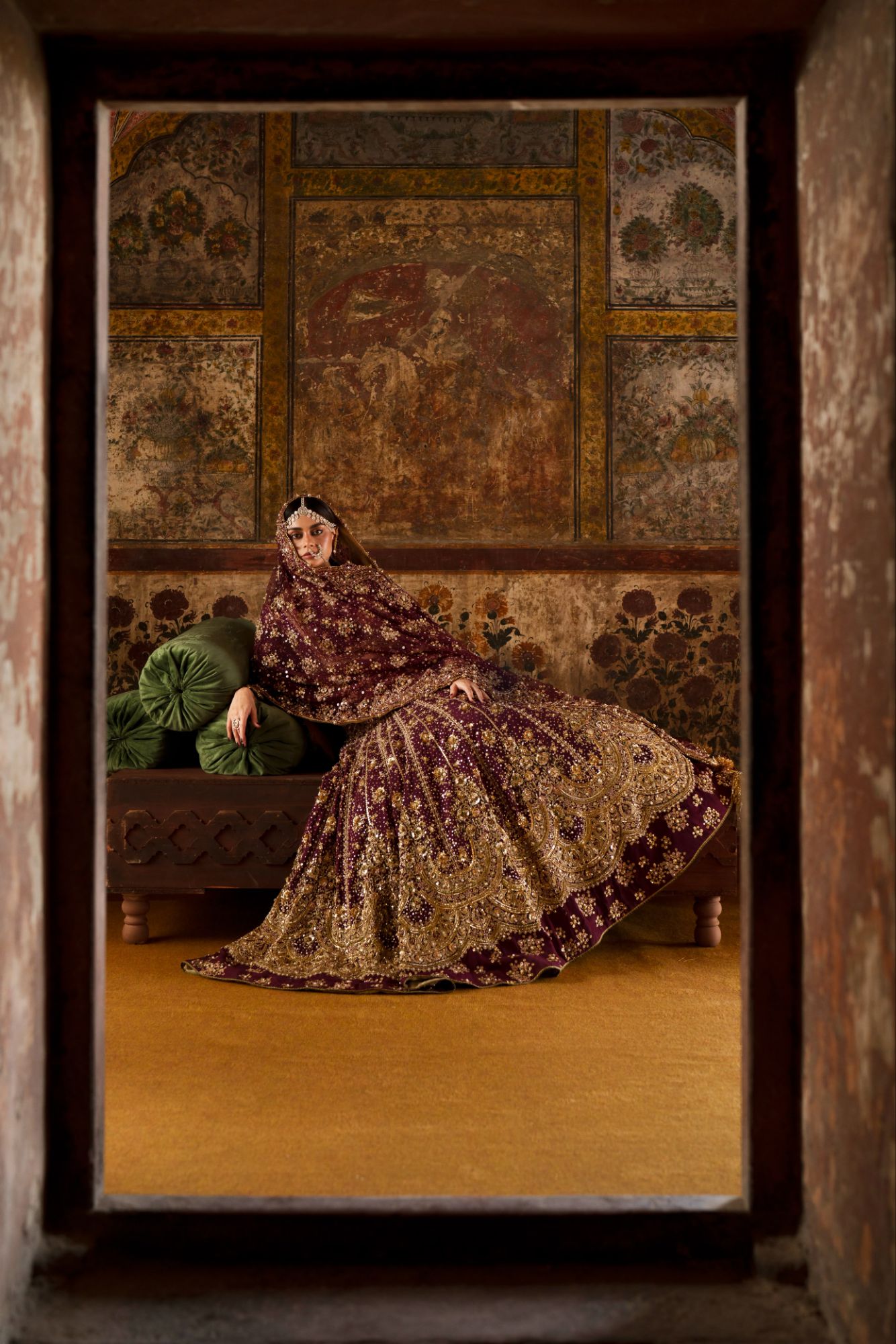
It is a particularly interesting way to approach a fashion campaign because clothing is so often used as shorthand for heritage. Traditional silhouettes, heirloom jewellery, old photographs and textiles can immediately establish a connection with the past. KAUR draws on that visual language while asking us to consider what exists underneath it.
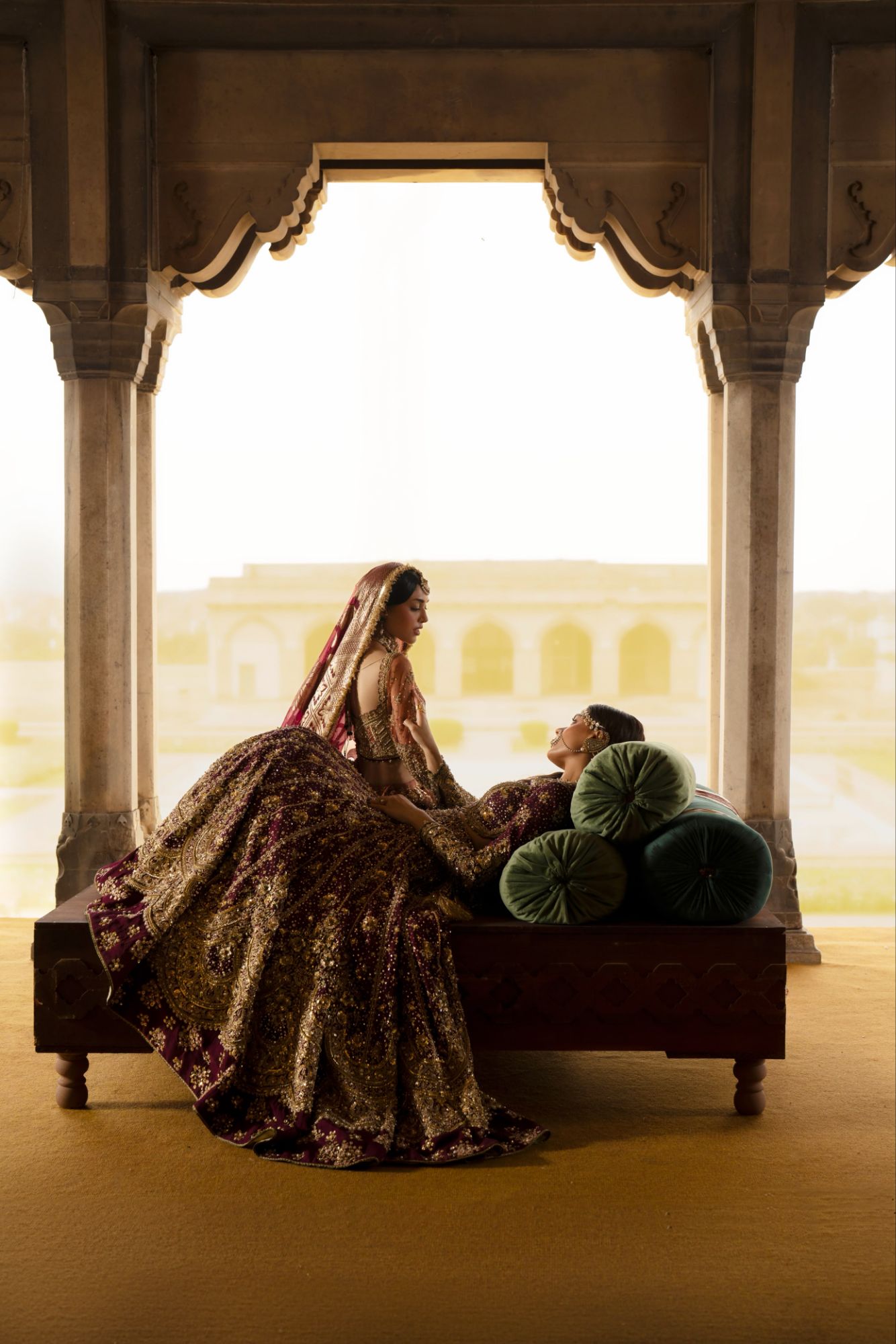
After all, women have always carried histories that could not be placed inside a jewellery box. Knowledge has moved between generations through observation and repetition. Stories have survived because someone continued telling them. Customs have endured because someone continued practising them. Ways of speaking, cooking, dressing, caring and even responding to adversity have travelled quietly from one life into another.
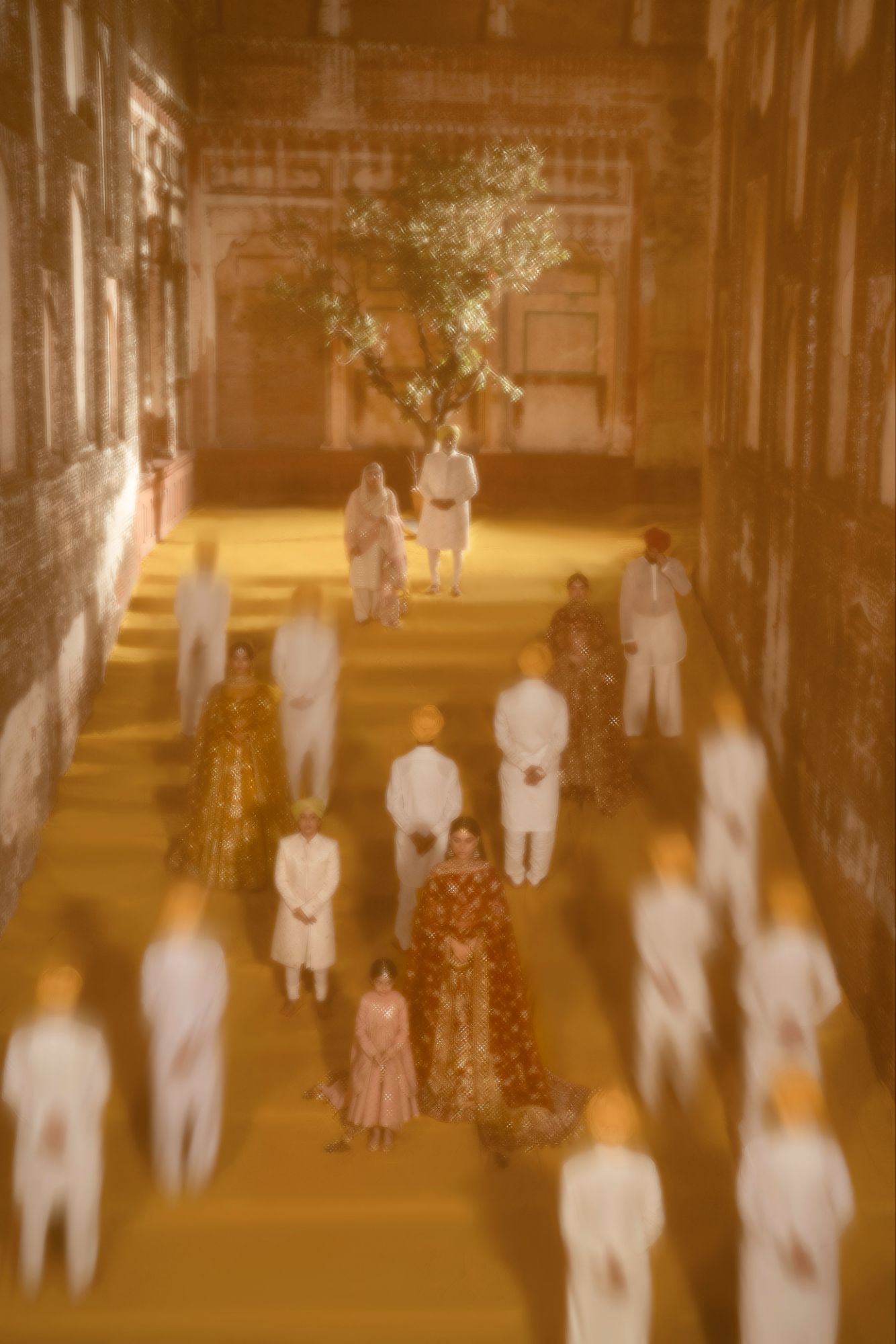
In this sense, inheritance becomes less about possession and more about presence. There is another layer to KAUR’s interpretation that makes the idea more contemporary. Not everything we inherit is something we necessarily want to keep.
Women inherit strength, tenderness, humour and resilience, but generations can also inherit fears, expectations and silences. Ideas about what a woman should be, what she should tolerate, how much space she should occupy and which parts of herself should remain unseen can travel just as easily between generations.
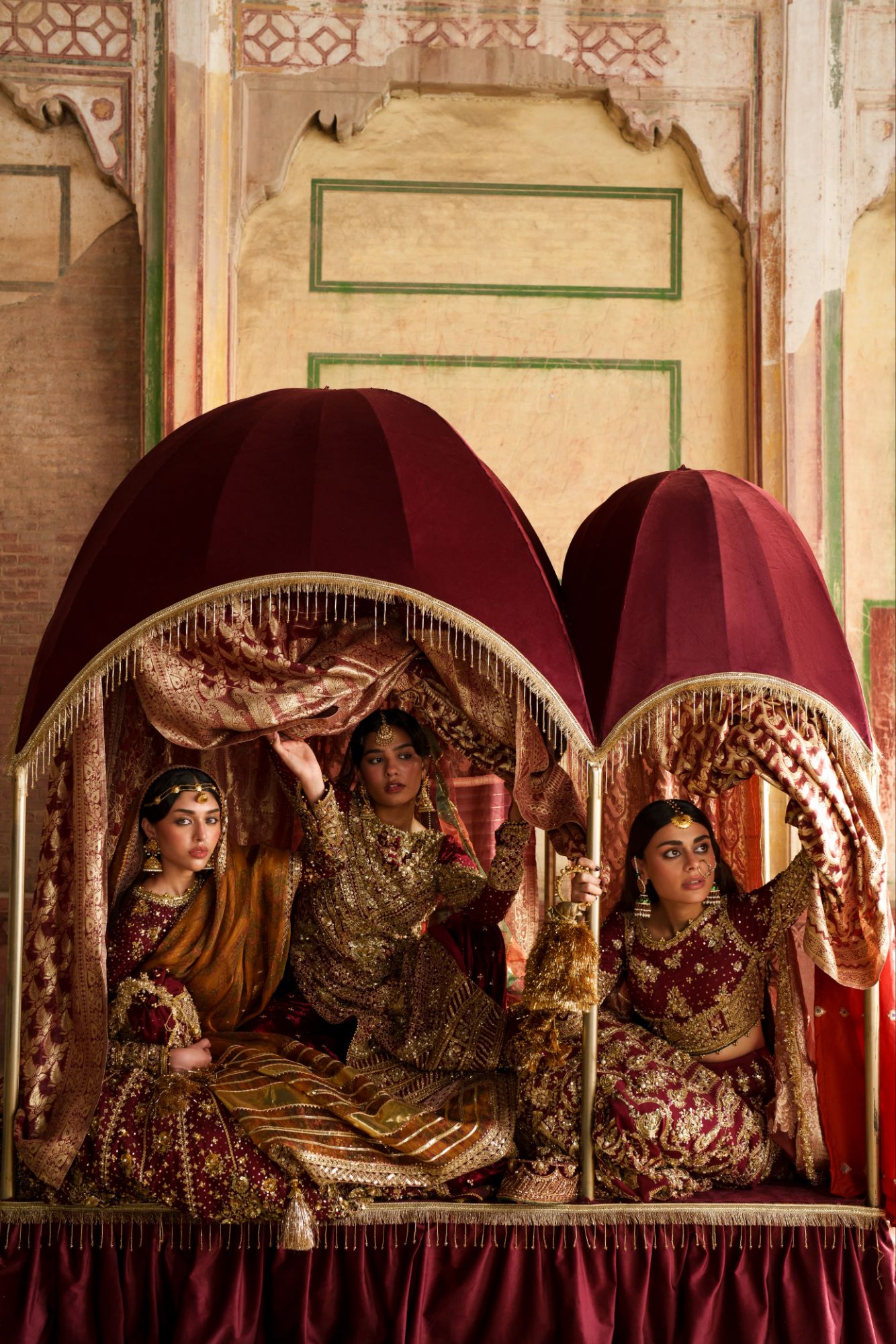
The campaign therefore allows inheritance to become something more complicated than nostalgia. To inherit does not have to mean preserving everything unchanged. Every generation receives something from the one before it and then decides, consciously or otherwise, what will remain. Some traditions are protected. Others are adapted. Some are questioned. Some are left behind entirely.
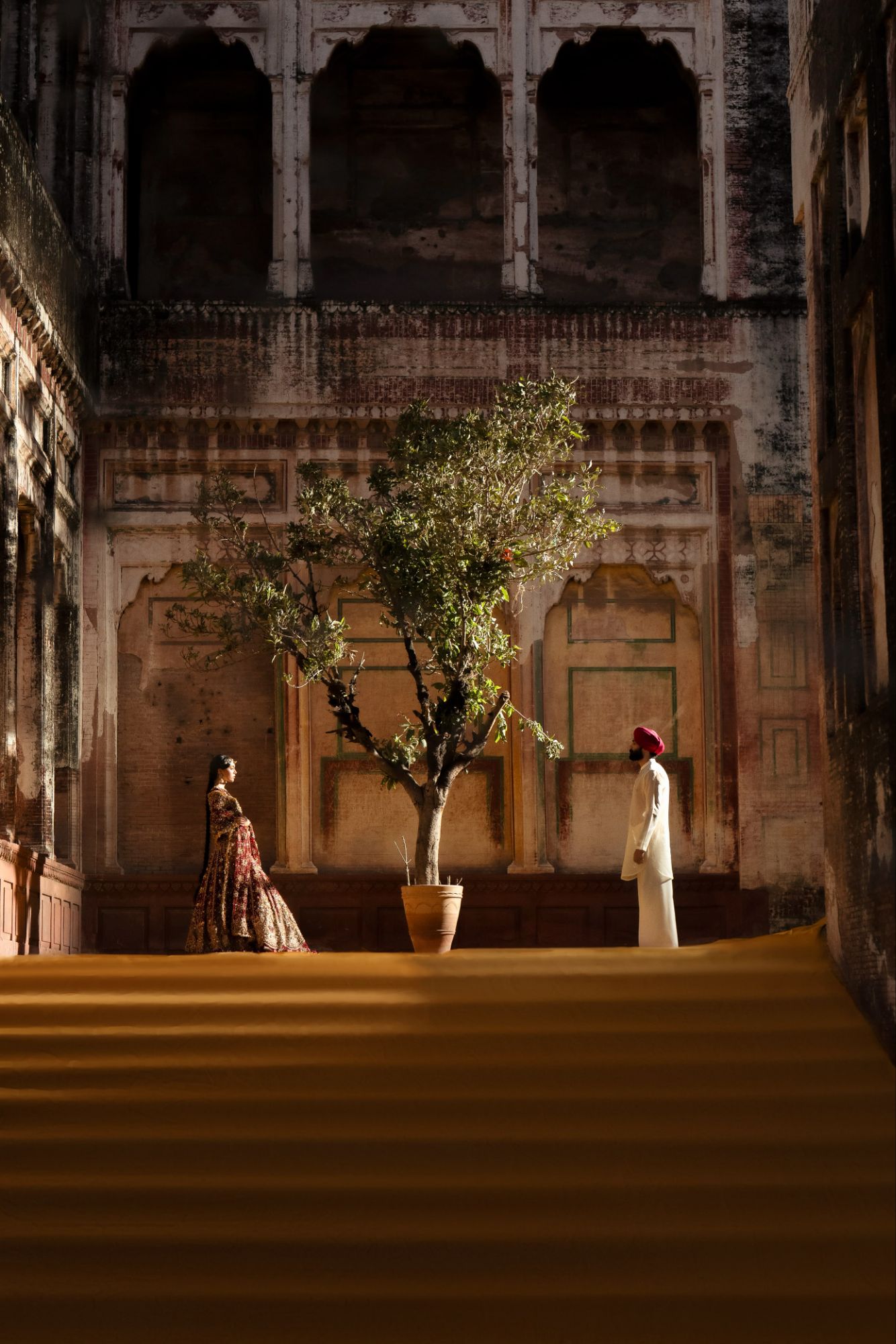
Every generation becomes an editor of what came before. Seen through this lens, the clothing in KAUR’s campaign takes on a different role. A garment can reference another time without attempting to recreate it. A familiar silhouette can carry memory while taking on new meaning on another woman, in another generation and another context.
That distinction matters. Heritage does not remain alive simply because it is reproduced faithfully. It remains alive because people continue to engage with it, interpret it and sometimes challenge it.
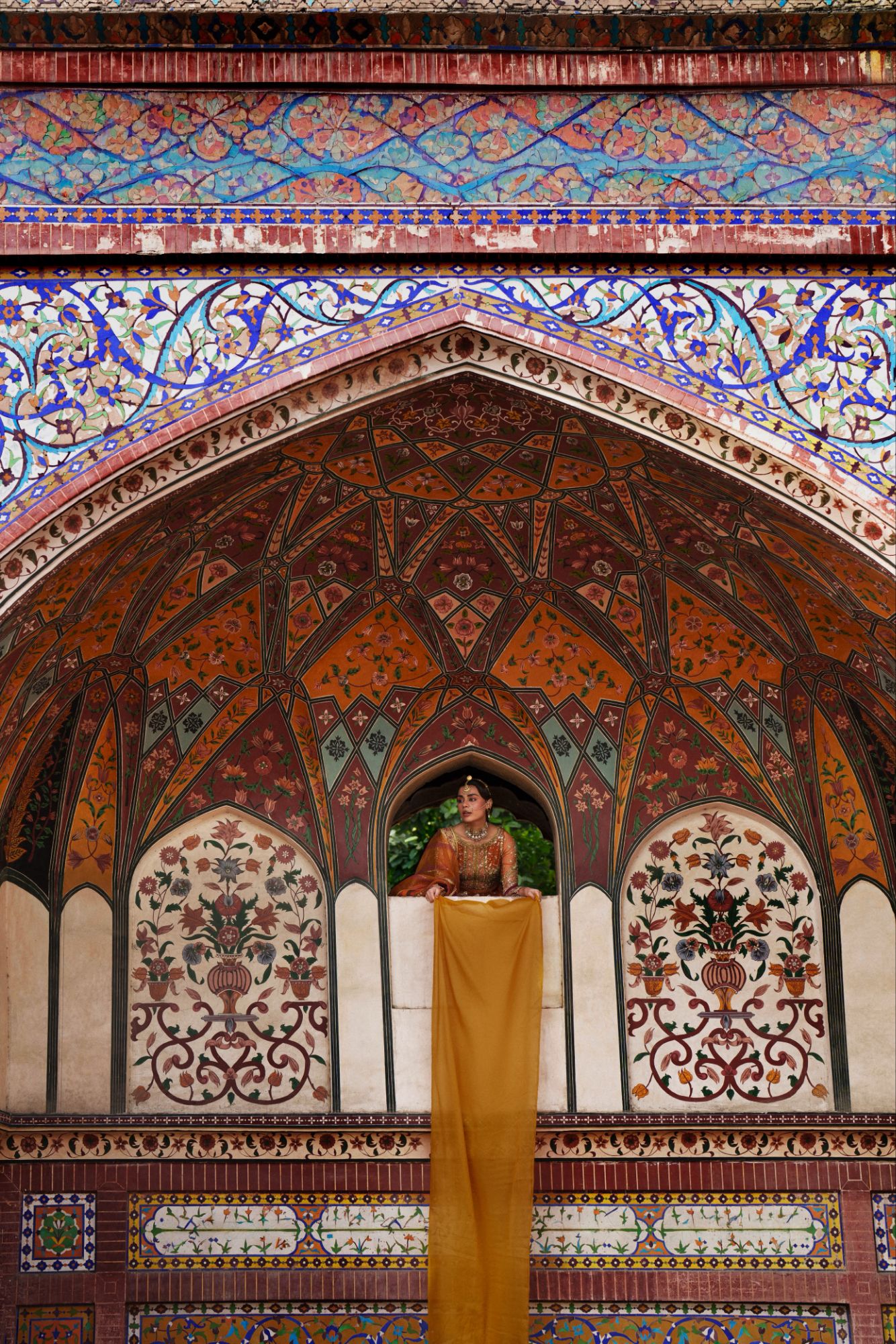
The campaign’s relationship with inheritance therefore feels less like a return to the past than a conversation with it. There are things women recognise in themselves only after they have grown older. A certain expression in the mirror. The way their hands move while doing something ordinary. An instinct they once associated entirely with their mother. Sometimes inheritance announces itself through an object. More often, it reveals itself unexpectedly.
And perhaps that is where KAUR’s campaign is most compelling. By placing clothing within a wider conversation about what passes between women, it shifts our attention from what women inherit to how inheritance lives within them. The jewellery may remain. The garment may survive. The photograph may be carefully preserved. But so might a laugh. A ritual. A story. A stubbornness. A way of loving. A lesson that was never formally taught. Even the decision to live differently can carry the imprint of the women who made that difference possible.
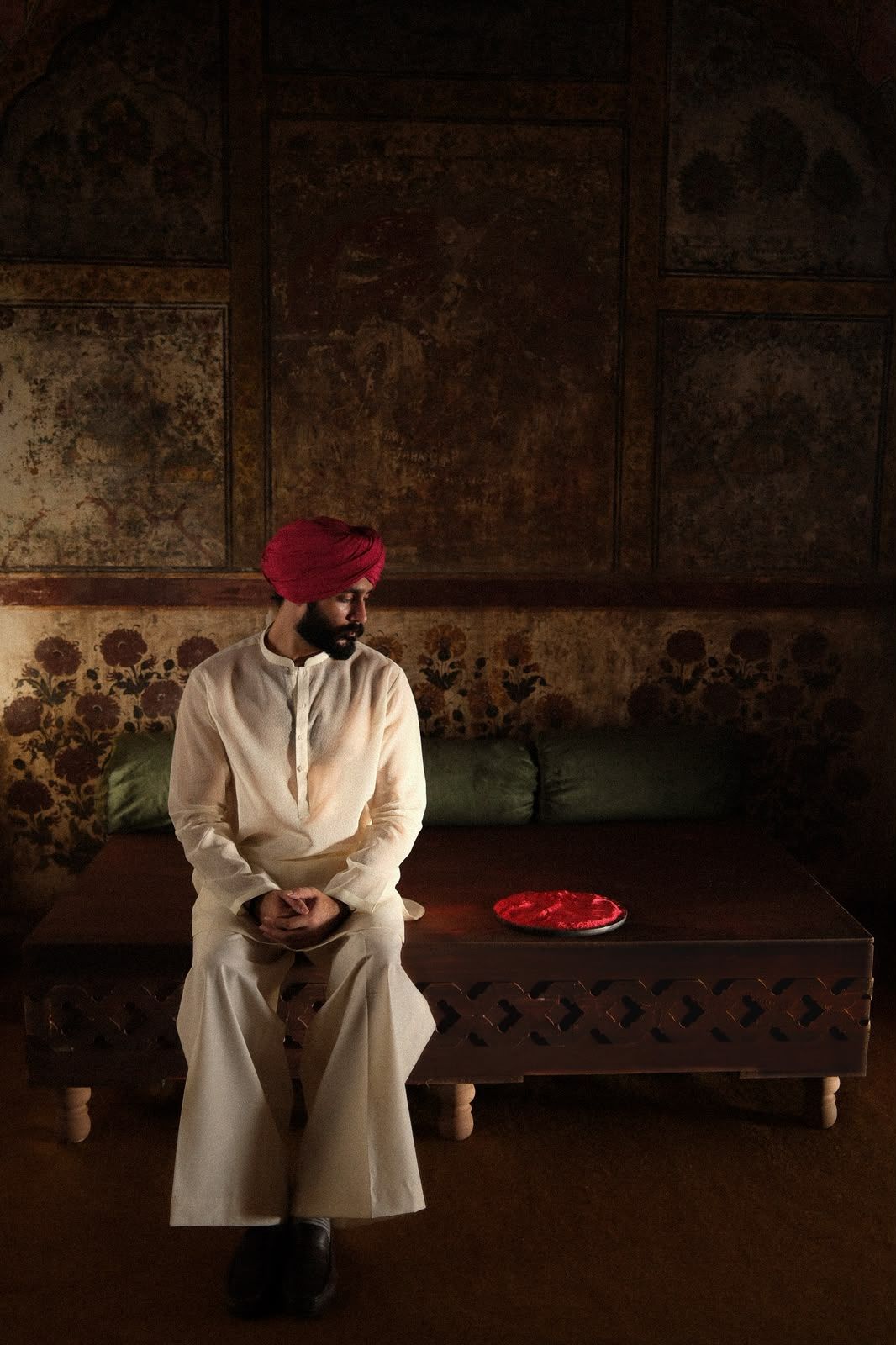
KAUR’s campaign reminds us that inheritance does not end with what is handed down. It continues in what is remembered, what is reinterpreted, what is refused and what is carried forward. And sometimes, the most enduring things we inherit are the ones no one ever had to give us.